Bariatric & Weight-Loss Surgery Abroad
Talk to the bariatric team before you commit to weight-loss surgery.
Facing a long waiting list at home, or comparing options and costs abroad? Plan your weight-loss surgery with the bariatric team who would actually treat you. You share your BMI, your medical history and any previous attempts, and they tell you which operation fits your case, what the risks are, and what the nutrition plan looks like afterwards. All by video, in your language, before you decide anything. Treatment takes place at our verified partner hospitals across our growing European network.
Fill in a short form. The Rehealth team gets back to you on WhatsApp, usually within a few hours during office hours, with your options, prices, and next steps.
If you'd like to walk through the process yourself step by step, book a planning session from the Rehealth app →
Bariatric surgery abroad at a glance
Starting prices: Gastric sleeve €3,000 · gastric bypass €4,000 · mini bypass €4,500 · gastric balloon €2,000
Most common procedures: Sleeve gastrectomy, Roux-en-Y gastric bypass, mini bypass (OAGB), endoscopic balloon, revision surgery
Who qualifies today: ASMBS states surgery is recommended from a BMI of 35, regardless of whether you have any obesity-related condition, and from a BMI of 30 with type 2 diabetes
Where the old BMI 40 rule came from: The 1991 NIH thresholds, replaced by ASMBS and IFSO in 2022. Public health services still use their own funding thresholds
Is there an age limit: The 2022 guideline states there is no upper age limit, after assessment of other conditions and frailty
Hospital stay: MedlinePlus states you can usually go home 2 days after a sleeve, and 1 to 4 days after a bypass
Trip length: 4-7 days on site for a sleeve or bypass, 2-3 days for an endoscopic balloon, longer for revisions
Back to normal activities: The NHS states people start returning to normal activities after 4 to 6 weeks
Follow-up: The NHS states you are asked to attend follow-up appointments for the rest of your life, with vitamin and mineral supplements
Weight-loss injections: In the study ASMBS reports, surgery patients lost about five times more weight over two years than patients on a GLP-1 medication
Where: Verified partner hospitals in Turkey: Istanbul, Izmir and Ankara
Pricing: No standard package. The hospital prices your case, and accommodation or transfers can be included if you want them
Before you commit: Free video consultation, no obligation
Two ways to use Rehealth for your bariatric surgery abroad
Weight-loss surgery is a lifelong commitment, not a quick fix. Pick the one that fits where you are in your decision. No off-the-shelf packages, no booking pressure.
💬 Talk to us
Free · 30 secondsFor patients researching bariatric surgery abroad who want to understand the options, learn the price ranges, and be directed to the right hospital or clinic.
What you do
You take the first step by writing your preliminary information (BMI, weight-loss history, any comorbidities) in a 30-second form, so you can speak directly with the bariatric team. If you'd like, you can also attach recent blood tests, endoscopy, or previous bariatric records.
What happens next
The Rehealth team gets in touch with you on WhatsApp as soon as possible to organize your travel and treatment planning. After the pre-assessment, you can either book an appointment with the clinic through the app, or continue on WhatsApp to discuss quotes and details.
Start Free — Talk to Us →If you'd like to walk through the process yourself step by step, book a planning session from the Rehealth app →
🩺 Get a second opinion
Paid consultationFor patients who want a licensed bariatric surgeon to review their BMI, comorbidities, and previous attempts, explain their options, and help them decide which procedure is right and when.
You'll talk to
A licensed bariatric surgeon who speaks your language
You'll receive
A structured medical second opinion on your case
Get a second opinion →Bariatric and Weight-Loss Procedures Available Abroad
Our network covers the full range of modern weight-loss surgery, from endoscopic day-case procedures to complex revisions. Most patients come to us in one of three situations. A BMI of 35 and above. A BMI of 30 and above with type 2 diabetes. Or weight regain after an operation they already had. Every case is reviewed against your medical history, your BMI, any other conditions and what you have already tried. The team is also honest about who should look at other options first. The figures below are starting prices, not quotes. Once you share the details of your case with us, the hospital prepares a quote for you personally, and that quote can come out above or below them.
Gastric Sleeve (Sleeve Gastrectomy)
from €3,000
Laparoscopic removal of roughly 80% of the stomach, leaving a narrow sleeve. The most common bariatric procedure worldwide, with strong long-term weight-loss and safety data for BMI 35 and above.
Gastric Bypass (Roux-en-Y)
from €4,000
A small stomach pouch is created and connected to the small intestine, bypassing part of the digestive tract. The gold-standard option for patients with obesity plus type 2 diabetes, severe reflux, or higher BMI, with strong metabolic effects.
Mini Gastric Bypass (SASI / OAGB)
from €4,500
A simplified one-anastomosis bypass with shorter operating time and comparable outcomes to Roux-en-Y in most patients. Suits those wanting bypass metabolic benefits with lower technical complexity.
Gastric Balloon (Endoscopic)
from €2,000
A non-surgical silicone balloon placed in the stomach for six to twelve months, then removed. Options include Orbera (traditional endoscopic placement, six-month), Elipse (swallowable capsule, no endoscopy needed, self-deflating after four months), and Spatz (adjustable volume, up to one year). Suitable for BMI 27 to 35 who don't yet qualify for surgery, or as a bridge before a major operation.
Duodenal Switch (BPD-DS)
from €7,500
Combines a sleeve gastrectomy with a duodenal-ileal bypass. Reserved for patients with a BMI over 50 or with metabolic disease where maximum weight loss is required. Requires strict lifelong nutritional monitoring.
SADI-S (Single Anastomosis Duodeno-Ileal)
from €7,000
A simplified version of the duodenal switch with one bowel connection instead of two. A strong option for revision from a previous sleeve, or as a primary procedure for very high BMI, with lower complexity than full BPD-DS.
Revision Bariatric Surgery
from €6,000
For patients with weight regain, complications, or inadequate results after previous bariatric surgery. Options include sleeve-to-bypass conversion, band removal with re-sleeve, or revision to SADI-S, planned after a full pre-operative evaluation.
Robotic (Da Vinci) Bariatric Surgery
from €5,000
Robot-assisted laparoscopic bariatric surgery using the Da Vinci Xi platform. Offers enhanced surgeon precision, 3D magnified visualisation, and refined dexterity for complex cases such as high BMI, previous abdominal surgery, or revision. Available for gastric sleeve, gastric bypass, and revision procedures at selected partner hospitals with certified robotic bariatric teams.
Bariatric Diagnostic Assessment
from €700
Comprehensive evaluation for patients considering weight-loss surgery, including endocrine and metabolic workup, upper endoscopy, nutritional assessment, and psychological screening. Delivered with a written report you can share with your GP or endocrinologist at home.
💡 Prices are starting points across our network. What you pay depends on your BMI, any other conditions, and whether this is a first operation or a revision. Anything done at the same time also counts, such as a hiatal hernia repair or a gallbladder removal. Book a free planning call to receive a case-specific all-inclusive quote based on your actual medical records.
How much does bariatric surgery abroad cost, and why is it more affordable?
Weight-loss surgery in our network is usually far cheaper than the same operation privately in the Netherlands, Germany or the UK. It follows the same international clinical standards. The gap comes from lower operational costs, high case volumes and exchange rates, not from cheaper staplers or less experienced surgeons. For many patients price is not even the main reason. Waiting lists at home run into years, and public systems often ask you to repeat months of dietitian appointments before they will approve an operation at all. Most patients currently travel to our partner hospitals in Turkey, and more European countries are joining the network.
| Procedure | 🇳🇱 Netherlands | 🇩🇪 Germany | 🇬🇧 UK | Our network | Saving |
|---|---|---|---|---|---|
| Gastric sleeve (sleeve gastrectomy) | €10,000-15,000 | €8,000-13,000 | £8,000-13,000 | from €3,000 | Save up to 70% |
| Gastric bypass (Roux-en-Y) | €14,000-18,000 | €12,000-16,000 | £12,000-18,000 | from €4,000 | Save up to 70% |
| Gastric balloon (endoscopic) | €4,000-6,000 | €3,500-5,500 | £3,500-6,000 | from €2,000 | Save up to 60% |
Comparison figures are indicative averages for adults paying privately, and they vary with BMI, other conditions and whether the case is a revision. Some procedures are partly reimbursed by your own insurer under the EU cross-border healthcare directive when you are treated inside the EU. Turkey is outside the EU, so that directive does not apply automatically. Ask your insurer what your policy covers before you book anything.
How pricing works: no standard package, an offer built around your case
Most weight-loss surgery abroad is sold as a ready-made all-inclusive package: one price covering the operation, the hotel, the transfers and the aftercare. The problem is that this price is set before anyone has read your file. It is built for an average patient rather than for you, and in bariatric surgery the differences between patients are large. A first sleeve at a BMI of 36 and a revision after a failed band are not the same operation, and they should not cost the same.
We work the other way round. You share your details, we pass them to our partner hospitals, and the hospital prices your case. What that offer covers is your call: the surgery only, or the surgery with accommodation and airport transfers included, and in some cases flights as well. That is still a package. The difference is that it is built around what you asked for, instead of being fixed in advance for everyone.
| Ready-made package | How Rehealth works |
|---|---|
| One price fixed in advance for an assumed BMI and an assumed operation | The hospital prices your case after reading your BMI, your other conditions and your records |
| The seller decides what is included | You decide: surgery only, or with accommodation and airport transfers included |
| You speak to a sales or booking agent | You have a video consultation with the bariatric team who would treat you |
| The procedure is chosen before anyone has read your file | You ask the team directly whether a sleeve, a bypass or a balloon fits your case, and why |
| Aftercare stops when the trip ends | Your discharge summary, operative report and vitamin protocol go to your GP or dietitian at home, in a language they can read |
The starting prices on this page are the lowest in our network, not a quote. Your own figure depends on the operation, your BMI, any other conditions and whether it is a first procedure or a revision. It comes from the hospital, not from us.
Am I a candidate for weight-loss surgery, and has the BMI rule changed?
This is where most people get stuck, and the reason is worth knowing. The BMI 40 figure that many patients quote comes from a 1991 consensus. In 2022 the American Society for Metabolic and Bariatric Surgery and the International Federation for the Surgery of Obesity replaced it. Here is what the current guidance says.
| Question | What ASMBS and IFSO state |
|---|---|
| Do I need a BMI of 40? | No. "MBS is recommended for individuals with BMI >35 kg/m2, regardless of presence, absence, or severity of co-morbidities." The BMI 40 figure comes from the 1991 NIH criteria that this guideline replaced |
| I have type 2 diabetes and a BMI of 32 | "MBS is recommended in patients with T2D and BMI >30 kg/m2" |
| BMI 30 to 34.9, no diabetes | "MBS should be considered in individuals with BMI of 30-34.9 kg/m2 who do not achieve substantial or durable weight loss or co-morbidity improvement using nonsurgical methods" |
| Am I too old? | "There is no upper patient-age limit to MBS. Older individuals who could benefit from MBS should be considered for surgery after careful assessment of co-morbidities and frailty" |
| Is the threshold the same for everyone? | No. The guideline states clinical obesity in the Asian population is recognized from a BMI above 25, and that surgery should be offered from a BMI above 27.5 |
| Who should perform it? | ASMBS states the operation should be done by a board-certified surgeon with specialized bariatric and metabolic training, at a center with a multidisciplinary team including a nutritionist and a mental health professional |
| Why does my own health service say something different? | Because that is a funding rule, not the clinical guideline. The NHS, for example, states you will "usually need a body mass index (BMI) of 40 or more" for surgery on the NHS. Being turned down at home does not mean the international guidance rules you out |
Sources: ASMBS patient guidance and the 2022 ASMBS/IFSO indications. These are general criteria for planning, not a decision about your case. If a clinic accepts you without asking about your other conditions, your medication or what you have already tried, treat that as a warning sign. In our network the video consultation happens before you commit to anything, and the team can still tell you that another route fits you better.
Weight-loss injections or surgery, and can you do both?
Since semaglutide and tirzepatide (sold as Wegovy, Ozempic and Mounjaro) became widely available, this has become the first question in most planning calls. It deserves a straight answer rather than a sales pitch, so here is what the published research says.
| Question | What the research shows |
|---|---|
| Should I try the injections first? | That is a decision for you and your own doctor. In this study, at two years, surgery patients had lost an average of 58 pounds, about 24% of their body weight, while patients prescribed a GLP-1 for at least six months had lost 12 pounds, about 4.7% |
| What if I stay on the medication? | Patients who took a GLP-1 continuously for a full year lost about 7% of their body weight in the same study |
| Do people stay on them? | The lead author states that "as many as 70% of patients may discontinue treatment within one year" |
| Can I do both? | ASMBS President Ann M. Rogers states that those "who get insufficient weight loss with GLP-1s or have challenges complying with treatment should consider bariatric surgery as an option or even in combination" |
| I am on one of these medicines right now | Say so at the planning call and bring the name and the dose. Whether a medication is paused before an operation, and when, is decided by the team treating you, not from a website |
| Does surgery still work if the injections did not? | The ASMBS statement above treats insufficient weight loss on a GLP-1 as a reason to consider surgery rather than a reason to rule it out |
These are averages from one large study, not a forecast for your own case, and the figures describe groups of patients rather than any individual. What applies to you depends on your medical history and is discussed in the consultation before you commit to anything.
What does recovery actually look like, from hospital to a normal diet?
Two numbers get mixed up constantly: how long you are in hospital, and how long before life goes back to normal. They are weeks apart. Below are the published figures, so you can plan time off work before you book a flight.
| Question | What the NHS and MedlinePlus state |
|---|---|
| How long does the operation take? | MedlinePlus states a sleeve gastrectomy is done through "2 to 5 small cuts" and "takes 60 to 90 minutes" |
| How long am I in hospital? | MedlinePlus states that after a sleeve "You can usually go home 2 days after your surgery," and that after a gastric bypass most people stay "1 to 4 days." The NHS states "You can usually leave hospital 1 to 3 days after having weight loss surgery" |
| When can I get back to normal activities? | The NHS states that "after 4 to 6 weeks" people start to return to their normal activities |
| What can I eat, and when? | The NHS sets out four phases: water and thin fluids in weeks 1 and 2, runny or pureed food in weeks 3 and 4, soft food in weeks 5 to 8, then gradually back to a healthy balanced diet |
| How long does follow-up last? | The NHS states "You'll be asked to attend regular follow-up appointments for the rest of your life," alongside vitamin and mineral supplements |
| What can go wrong? | MedlinePlus lists leaking from the staple line, gastritis, heartburn or ulcers, poor nutrition, scarring inside the abdomen and gallstones. After a bypass it also lists dumping syndrome, when food moves too quickly out of the stomach |
Hospital stay is not the same as trip length. You stay on site for a few days after discharge, so the team can check the wound and confirm you are fit to fly. That is why a sleeve or bypass trip usually runs 4 to 7 days in total. Your own plan is confirmed in the planning call before you book flights.
💬 Curious about your price?
See what your bariatric surgery would cost, straight from the hospital or clinic.
Start Free — Talk to Us →Is bariatric surgery abroad safe, and why Rehealth?
Direct contact with the bariatric team
You speak directly with the hospital's bariatric team during the planning call, so the people answering your questions are the people who would operate on you.
Free planning call before you travel
Meet the hospital's bariatric team, share your BMI, comorbidities, previous weight-loss history, and any prior bariatric procedures, and get an honest assessment of the recommended operation, expected length of stay, dietitian handover, and a transparent cost breakdown. All without committing to anything.
Verified by our medical advisory board
Every hospital, bariatric surgeon, and dietitian in our network is reviewed and verified by our medical advisory board before joining. Credentials, case volumes, revision rates, and hospital accreditations are all part of that review. Several partner hospitals also hold Joint Commission International (JCI) accreditation, the leading international healthcare accreditation standard. We don't refer patients to places we wouldn't go ourselves.
Coordinated aftercare with your dietitian and GP
Your discharge summary, operative report, and vitamin and lifestyle plan are shared with your GP, endocrinologist, or dietitian at home in a language they can read. Long-term follow-up, nutritional monitoring, and lab checks continue with your local team without a gap.
EU data protection (GDPR)
Your medical records, weight-loss history, and bariatric reports stay private, encrypted, and handled according to European healthcare regulations.
Local team in Leiden, Netherlands
Not a foreign call center. Reach us by phone, WhatsApp, or email, with a real person on the other end, before, during, and after your trip.
Our partner bariatric hospitals across our European network
We work with leading hospitals with dedicated bariatric programs across multiple European countries. This is where your weight-loss surgery abroad actually takes place. Our current network covers Turkey, in Istanbul, Izmir and Ankara, with conversations underway to add partners in more countries. Every partner is selected for its surgical credentials, its laparoscopic and endoscopic capacity, and its on-site dietitian and psychology support. We also look at revision-case experience and hospital accreditation, and several partners hold JCI (Joint Commission International) accreditation. The last criterion is the one patients feel most: clear, honest communication before, during and after treatment.
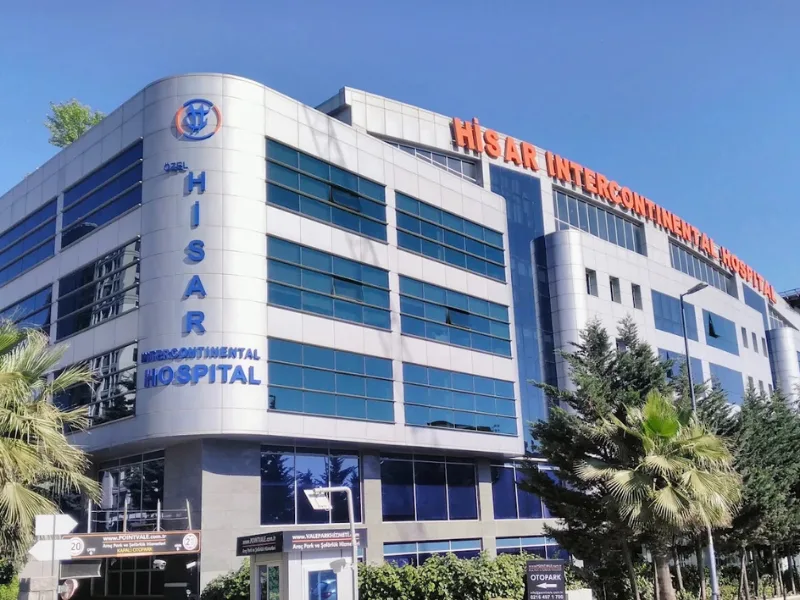
Hisar Hospital
📍 Istanbul, Turkey
Established bariatric unit with an experienced team working across primary and revision weight-loss surgery, including laparoscopic gastric sleeve and gastric bypass, in adults.


Gazi Hospital
📍 Izmir, Turkey
Experienced bariatric team covering the full range of laparoscopic weight-loss procedures, from gastric sleeve and bypass to revision surgery, with on-site dietitian support.

Central Hospital
📍 Izmir, Turkey
A multidisciplinary hospital with an established bariatric program covering gastric sleeve, gastric bypass, and revision cases, alongside intensive-care backup and long-term nutritional support.
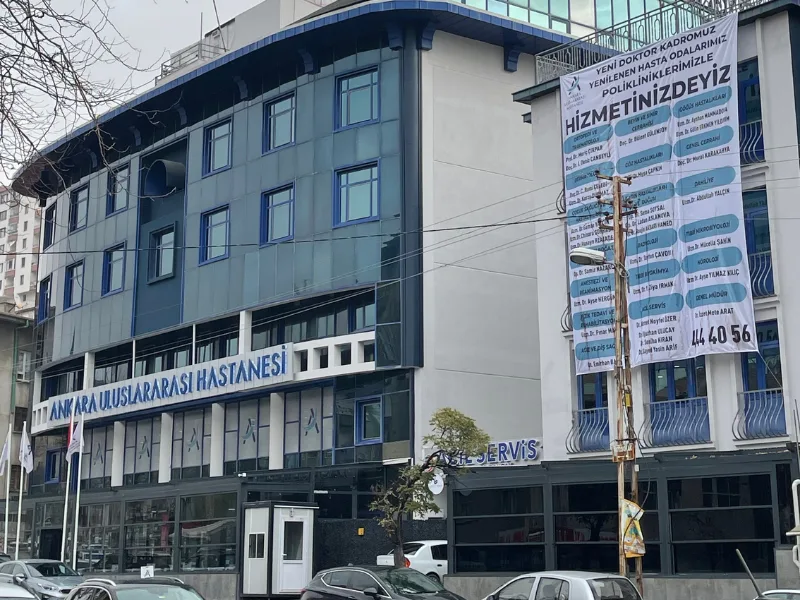

Ankara International Hospital
📍 Ankara, Turkey
A newly joined partner in the Turkish capital, with recently renovated patient rooms and an expanded clinical team. What their weight-loss surgery program covers can be discussed during your planning call.
More hospitals with bariatric programs joining the network across multiple countries soon. To see every hospital we work with, download the Rehealth app →
Your bariatric care journey abroad, step by step
From sign-up to coordinated aftercare with your dietitian and GP at home, here's how the process flows.
Sign up, free
Create your account on the web, iOS, or Android app. Three ways, one account. Takes about two minutes, no payment needed.
Choose your hospital
Browse the bariatric hospitals in our network. The specifics of each team's experience, procedure volumes, revision case load, and their approach to your particular BMI and comorbidities can be discussed directly with the hospital or clinic medical team during your planning call.
Book your online meeting
Pick a time that suits you. The platform handles scheduling and sends reminders. You'll be asked to upload recent blood tests, endoscopy or ultrasound if available, previous bariatric records, and a summary of your weight-loss history before the call so the team can review them in advance.
Talk it through on video
The bariatric team reviews your BMI, comorbidities, and history with you. Ask them about the recommended procedure, the risks in your specific case, expected length of stay, the liquid and puréed diet phases, vitamin regimen, follow-up plan, and realistic weight-loss trajectory. For revision or high-BMI cases, the medical team walks you through the case-specific details.
Travel and have your procedure
When you're ready, the hospital's coordinator helps you plan the trip, including accommodation, airport pick-up, and, for higher-risk cases, a companion to stay with you. You arrive prepared, with the plan already agreed and your pre-operative workup organized.
Coordinated aftercare at home
Stay in touch with your bariatric team through the app. Your discharge summary, operative report, vitamin protocol, and dietary phase plan are shared with your GP, endocrinologist, or dietitian at home. Long-term nutritional monitoring, blood tests, and follow-up check-ins continue for years, not just months.
🚀 Ready to explore?
Fill in a short form, we'll get back to you on WhatsApp shortly.
Start Free — Talk to Us →What to expect during your bariatric trip abroad
How long you stay abroad depends on the procedure. An endoscopic gastric balloon can be done as a day case with a two- to three-day stay. Laparoscopic sleeve or bypass typically needs four to seven days on site. Revisions and duodenal switch may need up to ten days. The team confirms the exact plan in your planning call. Here's roughly what to expect.
Days 1-2, arrival, workup, and final review
You arrive, meet the bariatric team in person, and the workup is completed: blood tests, upper endoscopy if not already done, anesthetic review, and dietitian consultation. The team confirms the procedure and answers final questions before surgery.
Day 3, the procedure
Endoscopic balloon takes about 30 to 45 minutes under sedation. Laparoscopic sleeve or bypass takes 1.5 to 3 hours under general anesthesia. Revision procedures and duodenal switch may take longer. You're usually mobile the same evening.
Days 4 onwards, monitored recovery on site
You recover on the ward with regular check-ins from the surgical and dietitian team. Liquid diet phase begins under supervision. Wound checks, pain management, and clarification of vitamin protocols happen before discharge. You're not discharged until the team is confident you're stable enough to travel.
After discharge, aftercare at home
You return home with a full discharge summary, operative report, vitamin protocol, and phased dietary plan (liquid, puréed, soft, solid), all shared with your GP, endocrinologist, or dietitian at home. Long-term nutritional monitoring and blood tests continue locally. The app keeps you in touch with the operating team for any questions.
Every case is different. Your planning call gives you a case-specific plan for length of stay, companion arrangements, and the exact recovery pathway before you commit to anything.
Reviews from European patients in our bariatric network
BMI 42, and the waiting list at home was over two years. I spoke with the hospital's medical team on video within a week. Five days in Izmir, then home. My GP and dietitian in Manchester had the full report ready when I started my six-month follow-up.
Type 2 diabetes plus BMI 45, Dutch waiting list eighteen months. Rehealth put me in touch with the hospital's medical team who reviewed my case and set up a clear plan.
BMI 33, wanted a non-surgical option before considering a sleeve. My internist recommended a balloon, but private cost in Germany was over eight thousand euros. Rehealth's bariatric team reviewed my case, and three days in Istanbul later, I was home.
🎁 Get your personal quote
Free WhatsApp reply within hours. In your language.
Start Free — Talk to Us →Frequently asked questions about bariatric care abroad
What's the difference between a free planning call and a paid second opinion?
The free planning call connects you with the hospital's bariatric team to discuss the recommended procedure, expected length of stay, dietitian handover, cost, and travel logistics. It is not a formal medical consultation. A paid second opinion connects you with a licensed bariatric surgeon who reviews your BMI, comorbidities, previous weight-loss attempts, and prior surgery, and gives you a structured written medical view on which procedure fits best, what the alternatives are, and what to realistically expect. For anyone unsure which procedure is right or considering a revision, we strongly encourage the second opinion path first.
Am I a candidate for bariatric surgery?
The criteria changed in 2022. ASMBS and IFSO now state that surgery is recommended from a BMI of 35 "regardless of presence, absence, or severity of co-morbidities", and from a BMI of 30 in patients with type 2 diabetes. Between 30 and 34.9 without diabetes, they state surgery should be considered when non-surgical methods have not produced lasting results. The older BMI 40 rule comes from a 1991 consensus that this guideline replaced, although national health services still apply their own funding thresholds. The planning call confirms which options apply to your case, and the paid second opinion is there if you want a clinical view before you decide.
Which procedure is right for me: sleeve, bypass, or balloon?
The best procedure depends on your BMI, comorbidities, reflux, previous surgery, and personal preferences. Gastric sleeve is the most common, with excellent results for BMI 35 to 45. Gastric bypass is stronger for patients with type 2 diabetes, severe reflux, or higher BMI. Mini bypass offers similar benefits with lower complexity. Endoscopic balloon is a non-surgical option for lower BMI or as a bridge. Duodenal switch and SADI-S are reserved for very high BMI or revision. The bariatric team walks through each option in your planning call.
Is bariatric surgery abroad safe?
Bariatric surgery carries risk anywhere, but modern laparoscopic techniques have made it one of the safest major abdominal operations. Safety in our network is protected by three layers: every hospital, bariatric surgeon, and dietitian is reviewed and verified by our medical advisory board before joining; partner hospitals meet international laparoscopic surgery and safety standards; and the planning call gives you direct contact with the operating team before you decide. The real risks of medical tourism come from booking through unverified channels, low-volume centers, and packages that hide who is actually operating on you.
I am taking Wegovy, Ozempic or Mounjaro. Should I have surgery instead?
That is a decision for you and your own doctor, and the two are not really in competition. ASMBS President Ann M. Rogers states that patients who get insufficient weight loss on a GLP-1, or who struggle to keep taking it, should consider surgery "as an option or even in combination". The published comparison is set out in the section on weight-loss injections above. Whichever route you take, tell the bariatric team which medication you are on and at what dose, because that affects how your operation is planned.
How much weight will I lose?
Nobody can tell you that in advance, and you should be careful with anyone who does. What is published is group data. In the study ASMBS reports, patients who had a sleeve or a gastric bypass had lost around 24% of their body weight two years after surgery, on average. MedlinePlus describes weight loss after a gastric bypass averaging 10 to 20 pounds a month in the first year. Those are averages across thousands of people, not a forecast for you, and both sources are clear that the result depends on eating habits and physical activity afterwards. The team will talk you through what is realistic for your BMI, your procedure and your medical history.
How long do I need to stay abroad for bariatric surgery?
It varies with the procedure. Endoscopic balloon is often day-case or overnight, needing two to three days on site. Laparoscopic sleeve or bypass usually needs four to seven days. Mini bypass and revision procedures may need up to eight days. Duodenal switch and SADI-S can need up to ten days before you're cleared to fly. The exact plan is confirmed in your planning call, based on your case and the hospital's protocols.
Do I need to bring a companion?
Recommended for all major bariatric surgery, especially for higher-BMI patients or those with significant comorbidities where post-operative recovery benefits from a companion's support. For endoscopic balloon and straightforward sleeve cases, a companion is helpful but not mandatory. The hospital's coordinator will confirm what's expected for your specific procedure during the planning call.
What about long-term follow-up when I get home?
Long-term follow-up is essential and continues for years, not months. Standard follow-up includes blood tests (vitamins, minerals, metabolic panel) at 3, 6, and 12 months, then yearly, plus regular dietitian visits and monitoring for weight-loss trajectory, dumping syndrome (bypass patients), and any nutritional deficiencies. Your discharge summary and vitamin protocol are shared with your GP, endocrinologist, or dietitian at home so this can continue with your local team without a gap.
Do I need vitamin supplements for life?
The NHS states that after weight-loss surgery you need to take vitamin and mineral supplements, and that you will be asked to attend follow-up appointments for the rest of your life, with blood tests to check your nutrient levels. Which supplements you need, and at what dose, depends on the operation. That is why the bariatric team gives you a written protocol matched to your procedure, and why your GP or dietitian at home keeps monitoring your blood test results. A gastric balloon does not remove or bypass any part of the stomach, so that situation is different; ask the team what applies in your case.
Will my insurance cover any of this?
In many cases, bariatric surgery is partially covered by insurance companies when BMI and medical criteria are met, especially for patients with type 2 diabetes or other obesity-related conditions. Under the EU cross-border healthcare directive (Directive 2011/24/EU), planned procedures within the EU may also be partially reimbursed by your home insurance if you have the appropriate referrals. Turkey is outside the EU, so the directive does not automatically apply. Always contact your insurance company before you travel to confirm the coverage details and required documentation.
What happens if there's a complication?
The hospital keeps you on site under monitoring until the bariatric team is confident you're stable enough to travel. Complications during recovery, such as a staple line leak, bleeding, or infection, are managed there, not en route. Bariatric surgery has small but real complication rates regardless of country, and partner hospitals are equipped with laparoscopic re-operation capacity, endoscopy, and ICU support for exactly these situations. If a complication happens after you return home, your GP has the full records and can act quickly, with support from the operating team via our app.
Can you help with revision bariatric surgery?
Yes. Revision is one of the treatment paths our network covers. This includes patients with significant weight regain after previous sleeve, bypass, or band, those with band complications who need removal and conversion, and cases with staple-line issues or inadequate initial weight loss. Revision surgery requires careful pre-operative evaluation including upper endoscopy and a review of your previous operative notes. The second opinion path is a good starting point before committing to revision.
How do I pay?
Payment is made directly to the hospital, usually by card or bank transfer around the time of the procedure. Some partners accept partial payment on arrival with the remainder after surgery. Your planning call covers payment options and what's included in the quoted price (accommodation, airport transfer, medications, endoscopy, laboratory tests, hospital stay, dietitian consultation, vitamins for the first month) in detail, before you commit to anything.
What about the language barrier?
Every bariatric team and care coordinator in our network works with medical interpreters or bilingual staff. Each hospital profile lists the languages they offer. For bariatric care in particular, being able to discuss diet phases, vitamin protocols, and long-term nutritional monitoring in your own language is essential, so this is one of the things we specifically verify with partners.
Medical sources
The general medical information on this page follows the patient guidance published by the American Society for Metabolic and Bariatric Surgery, the 2022 ASMBS/IFSO indications for metabolic and bariatric surgery, the NHS and MedlinePlus. Three points from those sources shape how we describe treatment: surgery is recommended from a BMI of 35 rather than 40, there is no upper age limit, and follow-up is described as lifelong. Where these sources publish no figure, such as how much weight an individual patient will lose, we do not quote one.
- American Society for Metabolic and Bariatric Surgery (ASMBS): Who is a candidate for bariatric surgery? · GLP-1 medications vs bariatric surgery · Head-to-head study of surgery and GLP-1 drugs
- ASMBS and IFSO: 2022 Indications for Metabolic and Bariatric Surgery (full text)
- NHS: What is weight loss surgery · Recovering from weight loss surgery
- MedlinePlus (U.S. National Library of Medicine): Vertical sleeve gastrectomy · Gastric bypass surgery
This content has been reviewed by the Rehealth Medical Advisory Board. Last reviewed: 10 August 2026.
Three ways to reach us
Pick whatever feels right. The planning call with the bariatric team is always free.
Start Free — Talk to Us →
Share a few details and the Rehealth bariatric team will get in touch on WhatsApp as soon as possible with your options, prices, and next steps.
WhatsApp us directly →
Quick questions answered during office hours, in your language.
Book from the app →
If you'd like to walk through the process yourself step by step, sign up via web, iOS, or Android.